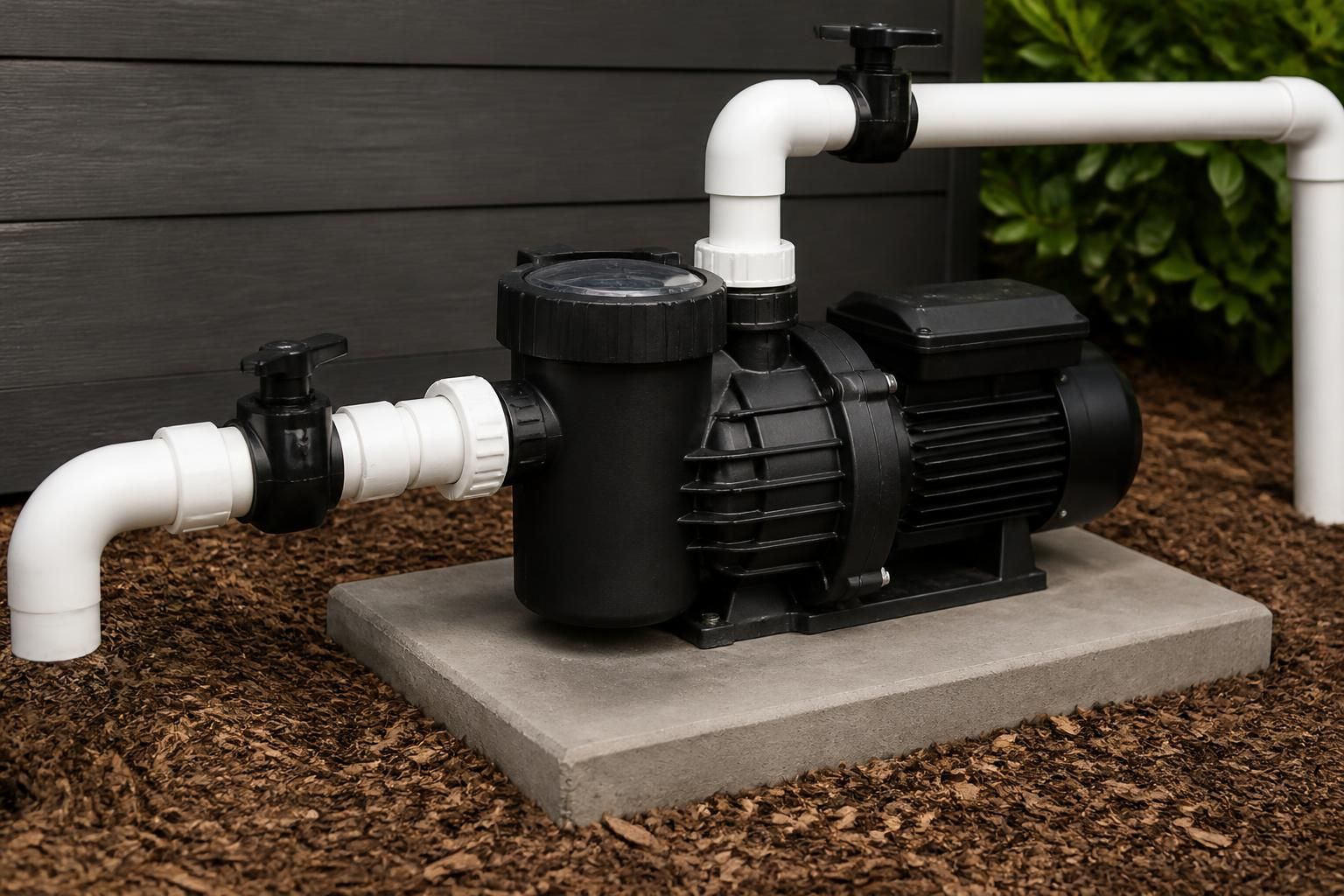
Pump Service
Pump service for Wylie, TX pools with noise, weak flow, leaks, or priming trouble.
Eclipse Pool Service handles pool pump service for Wylie, TX homeowners whose pump is loud, leaking, losing prime, or not moving enough water. We look at the pump, the basket and lid, the seals and connections, and the way water moves through the system, then explain what needs attention. To get started, call or send a request describing what you see and hear at the equipment pad.
Maybe the water has gone cloudy even though the pump runs all day. Maybe there is a new grinding sound, a puddle under the motor, or a basket full of air bubbles. A pool pump is the heart of circulation, so when it struggles, filtering, chemical mixing, and cleaning all suffer with it. A pump that is ignored for a few weeks can turn a clear pool into a green one, and a small leak or worn part can become a bigger repair.
Most pump problems announce themselves before the pump quits. Homeowners usually notice a change in sound, flow, or the look of the water first. Here are the signs we hear about most often.
A pump should hum steadily. Squealing, grinding, rattling, or a sound like gravel in the housing usually points to worn motor bearings or something loose. A loud gurgle often means the pump is pulling air. Do not ignore a new noise, because bearing wear tends to get worse and can lead to motor damage.
If return jets feel weak, the skimmer barely pulls, or the pump basket never fills with water, the pump may be sucking air or fighting a restriction. Causes range from a cracked lid or dried-out o-ring to a clogged basket, a suction-side leak, or a worn impeller. Finding which one takes a methodical check, not guesswork.
Pump service is a hands-on check and correction of the pump and the parts that feed it. Depending on what we find, a visit can include:
The goal is to find the actual cause of the symptom so you are not paying to swap parts that were never the problem.
Homeowners often mix up pump problems with filter problems, because both show up as weak flow and cloudy water. A dirty filter raises pressure and cuts flow, while a pump with an air leak or worn impeller cuts flow with different clues, such as bubbles, noise, or low pressure. This page covers the pump itself and the parts directly around it.
Filter cleaning is its own listed service, and it is often worth doing alongside a pump check since the two work as a pair. If the pump has a worn part that needs fixing, that moves into pool repair. If the whole pump is near the end of its life, replacement is a separate conversation, so ask us what makes sense for your equipment and budget.
A typical pump visit starts with your description of the problem. Tell us when it began, whether the sound is constant or comes and goes, and whether anything changed recently, such as a storm, a filter cleaning, or a power outage. That history often shortens the search.
Whoever you hire, here are practical standards for judging pump work.
Wylie, TX sits in North Texas, where pools typically run for a long swim season and pumps often work many hours on hot days. Heat, dust, pollen, and leaves can load baskets and filters quickly, and that extra strain shows up at the pump. Most pools in the area also sit on equipment pads exposed to sun and weather, which can age lids, seals, and plastic fittings.
Winter in the region can bring occasional hard freezes, and a pump or its plumbing left unprotected can crack. If you are thinking about seasonal opening or closing, a pump check at those times is a natural moment to catch worn parts before the busy season.
Pump work varies a lot from one pool to the next. The main factors are:
A clear written quote should spell out the scope of work, which parts are included, what extras might come up, and how changes are handled if the first fix does not solve the problem. You should never have to guess what you agreed to.
Before hiring anyone for pump service in the Wylie area, ask:
Watch for new noise, leaks around the motor, bubbles at the returns, weak flow, a basket that will not fill, or a motor that overheats or trips the breaker. Cloudy water despite a clean filter is another clue.
There is no single schedule. Many homeowners have it looked at when the pool opens for the season, when sounds or flow change, or alongside regular pool maintenance. Heavy use through a long Texas summer can wear it faster.
No. The filter traps debris, while the pump moves the water. They affect each other, so we often look at both, but they are separate jobs.
Many problems, like a bad lid o-ring, a clogged basket, or a worn seal, can be repaired. If the motor or housing is badly worn, replacement may make more sense, and we can talk through the options.
It depends on the cause of the problem, the pump type, the parts needed, and the labor to diagnose and fix it. A written quote should list the scope and what happens if the work changes.
Note when the problem started and what you hear or see. Clear the area around the equipment pad if you can, and keep any recent changes in mind. If the pump is leaking or smells hot, switch it off until it can be checked.
If your pump is loud, leaking, or not moving water, tell us what is happening and we will help you sort out the next step for your Wylie, TX pool. Call or send a request through the site, and Eclipse Pool Service will take it from there.

Tell us what your pool needs, from routine cleaning to a repair, and we’ll follow up with a clear next step.